The Investor Guide to Vanguard Funds for August is AVAILABLE NOW! Links to the August data files are posted below. Market Perspective: Value Outperforms Amid Semiconductor Volatility Value stocks led […]


The Investor Guide to Vanguard Funds for August is AVAILABLE NOW! Links to the August data files are posted below. Market Perspective: Value Outperforms Amid Semiconductor Volatility Value stocks led […]
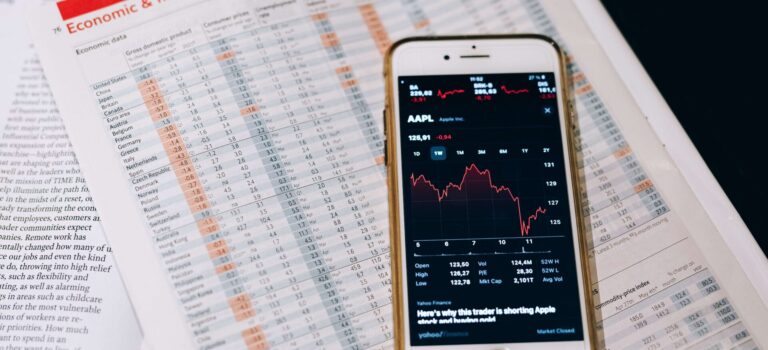
It was another consequential week for market. Wednesday saw the release of CPI data, Thursday brought the Price Producers Index (PPI) for July and Friday saw the release of retail sale data for July.
Inflation data was largely in line with expectations on both an annual and monthly basis. The same was true for both core inflation and overall inflation. On an annualized basis, core inflation was 2.5 percent while overall inflation was 3.4 percent. On a monthly basis, core inflation increased by 0.2 percent while overall inflation increased by 0.1 percent.
The PPI came in below expectations for July. Overall PPI was flat compared to an expected gain of 0.2 percent while core PPI was 0.2 percent compared to an expected gain of 0.3 percent.
Retail sales were also below expectations in July as overall sales dropped 0.6 percent compared to an expected gain of 0.1 percent. Core retail sales were down 0.3 percent compared to an expected gain of 0.2 percent.
Unemployment claims ticked up this past week with 209,000 requests for benefits filed over the past seven days compared to 200,000 in the previous reporting period. Analysts expected that 202,000 claims would have been made during the period.
The University of Michigan released its consumer sentiment and inflation expectation reports on Friday. It found that consumer sentiment was at 51, which was significantly lower than last month’s 55.2 and lower than the expected 54.7 prior to the data being made public. Inflation expectations edged up slightly to 4.3 percent. This means that respondents expect the inflation rate to be at 4.3 percent 12 months from now.
The S&P 500 was up 30 points this week to close at 7,785. This was an increase of 0.39 percent from the open on Monday, and the index is now up 3 percent over the past month. For the week, the market made a low of 7,716 on Tuesday before reversing and making a high of 7,815 on Thursday.
Unlike the S&P 500, the Dow was down over the last five trading days. For the week, it lost 251 points to close at 53,732 at the end of day on Friday. This was a loss of 0.47 percent. This week, the index made a high of 54,218 on Tuesday before reversing and closing near its weekly low.
Finally, the Nasdaq was up 1 percent this week to close at 30,046, which was an increase of 319 points for the week. The market is up 1.67 percent over the past month. For the week, the market made a low of 29,432 on Tuesday and a high of 30,146 on Friday afternoon.
In international news, Australia decided on Tuesday morning to keep its key interest rate steady at 4.35 percent. On Thursday, Great Britain announced that its GDP was up 0.3 percent in July despite expectations that GDP was flat during that time period.
Gold continued its steady run this month reaching a high of roughly $4,450 per ounce before easing a bit in Friday trading. West Texas Intermediate (WTI) hit a high of $87 per barrel on Tuesday before entering a narrow range the rest of the week.
The coming week will likely be another consequential one for the market. The main event will be the Wednesday release off the FOMC meeting minutes from July’s meeting. This should provide some more insight into what the Fed is thinking and likely create opportunities for traders. In addition, unemployment claims data comes out on Thursday while the Flash Services PMI and Flash Manufacturing PMI comes out on Friday.

On Monday, the ISM Manufacturing PMI was released and came in at 55.6 compared to an expected 54. It was also higher than last month’s reading of 53.3, which means that the manufacturing sector is in a period of expansion. On Wednesday, the ISM Services PMI came in at 54.1, which was lower than the expected 54.5.
Tuesday saw the release of the JOLTS report, which reveals how many job openings exist in the United States. In July, there were 7.36 million open jobs in the country, which was roughly in line with analyst expectations.
On Thursday, unemployment claims came in at 199,000 over the last seven days. This was roughly in line with analyst expectations and almost unchanged from last week.
The ADP nonfarm payroll report found that the economy added 44,000 jobs in July compared to an expected gain of 68,000. This is about half the number of jobs that were added in June when 95,000 new positions were added.
The real shocker came on Friday when the BLS revealed that the economy lost 23,000 jobs in July. June’s job number was revised downward to 20,000. This was compared to an expected gain of 85,000 jobs in July.
Treasury Secretary Scott Bessent released a statement on Friday saying that the jobs report represented good news for workers. He claims that GDP growth is poised to accelerate in the third quarter. Whether that is true or simply an attempt to change the narrative will have to be seen.
The unemployment rate dropped to 4.1 percent thanks to a decrease in the labor force participation rate. This measures the number of people who are either working or actively looking for work at the time that the unemployment figures are calculated.
Average hourly wages were up 0.1 percent compared to an expected rise of 0.3 percent. The silver lining to that figure is that it could mean that inflation will slow at least on a temporary basis. It also means that the Fed is less likely to hike rates in 2026 as a growing number of economists and Fed members are calling for.
The S&P 500 was up 212 points this week to close at 7,757 at the end of trading Friday. This is an increase of 2.82 percent over the last five trading days. It also means that the S&P 500 is now positive over the last 30 month. On Monday, the market opened at its lowest point of 7,540 and made a high of 7,790 on Wednesday.
The Dow was up 991 points this week to close at 54,036. This was an increase of 1.87 percent over the last five trading days. The index is now up 2.16 percent over the last month. Over the past five days, the index made a low of 52,985 on Monday and a high of 54,730 on Wednesday.
Finally, the Nasdaq was up 1,087 this week to close at 26,690. This was an increase of 4.25 percent. Over the last month, the index is up 1.88 percent and is up 25.65 percent. This week, the Nasdaq made a low of 25,599 on Monday morning and closed near its weekly high on Friday.
Next week will be another consequential one for traders as inflation data is set to be released on Wednesday. The Price Producer Index (PPI) for July will come out on Thursday while retail sales data will come out on Friday. Those with eyes toward international markets may be looking ahead to an interest rate decision on Monday from Australia’s central bank. Great Britain is set to release GDP data on Wednesday morning.

The Investor Guide to Fidelity Funds for August 2026 is AVAILABLE NOW! August Data Files Are Posted Below Market Perspective: Value Funds Quietly Leading in 2026 The Dow Jones Industrial Average […]
This was another consequential week for market participants as several important events took place. The major news this week revolved around the Fed’s July rate decision as well as advance GDP data and the release of the Core PCE Price Index. There was also drama regarding the Bank of Japan (BOJ) and its alleged intervention in the price of the Yen late in the week. The United States Treasury warned that it could take action to intervene and stabilize the price of the Yen compared to the dollar.
On Wednesday afternoon, the Fed decided to keep interest rates where they are until at least September. However, three voting members disagreed with that decision saying that rates should be increased. Of course, as monetary policy is often data dependent, those who decided to hold steady were likely vindicated.
This is because on Thursday, the advance GDP data showed that the economy only grew 1.5 percent compared to an expected 2.1 percent in the second quarter. Furthermore, the Core PCE Price Index grew 0.1 percent compared to an expected increase of 0.2 percent.
Unemployment claims data for the last week was also made public on Thursday. Over the past seven days, there were 197,000 claims for benefits compared to an expected 201,000 claims. Last week, 188,000 claims were made.
On Friday, the University of Michigan released its inflation expectation and consumer sentiment reports. Inflation is expected to be at 4.2 percent in 12 months while consumer sentiment came in at 55.2 compared to an expected 53.9.
The S&P 500 gained 0.46 percent this week to finish at 7,489. This was an increase of 34.51 points over the past five trading days, and the index has gained roughly 1.3 percent over the past 30 days. For the week, it made a low of 7,320 on Wednesday and closed near its weekly high on Friday.
The Dow was almost flat this week closing up 0.02 percent to finish at 52,485. This was a gain of about 10 points for the index that has gained about .6 percent over the past month. Over the last five trading days, the index made a high of 52,386 on Tuesday and a low of 51,633 on Thursday.
Finally, the Nasdaq was up 0.70 percent this week to close at 25,373. This was a gain of 183 points for the index that has underperformed the other two major American exchanges. Over the past month, it has lost about 0.66 percent. This week, the index made a low of 24,456 on Wednesday and closed near its weekly high on Friday.
Intervention in the yen likely occurred on Thursday as the currency dropped to a spot price of 158 against the dollar. More large moves took place on Friday but within a smaller trading range. On Friday morning, the BOJ announced it would keep its key interest rate at 1 percent.
The ADP and BLS versions of their job reports come out on Wednesday and Friday. The ISM Services and Manufacturing reports also come out next week in addition to the JOLTS jobs report.